
Building an Apparatus That Works for Your Crew
When the tones drop, your apparatus needs to act like an extension of your crew. The way it’s outfitted directly affects their safety, speed, and efficiency on scene. However, what works for one department doesn’t always work for another. A busy urban company won’t operate in the same way a rural volunteer department does. Here’s what to consider before you make the final call on equipment and compartment layout.
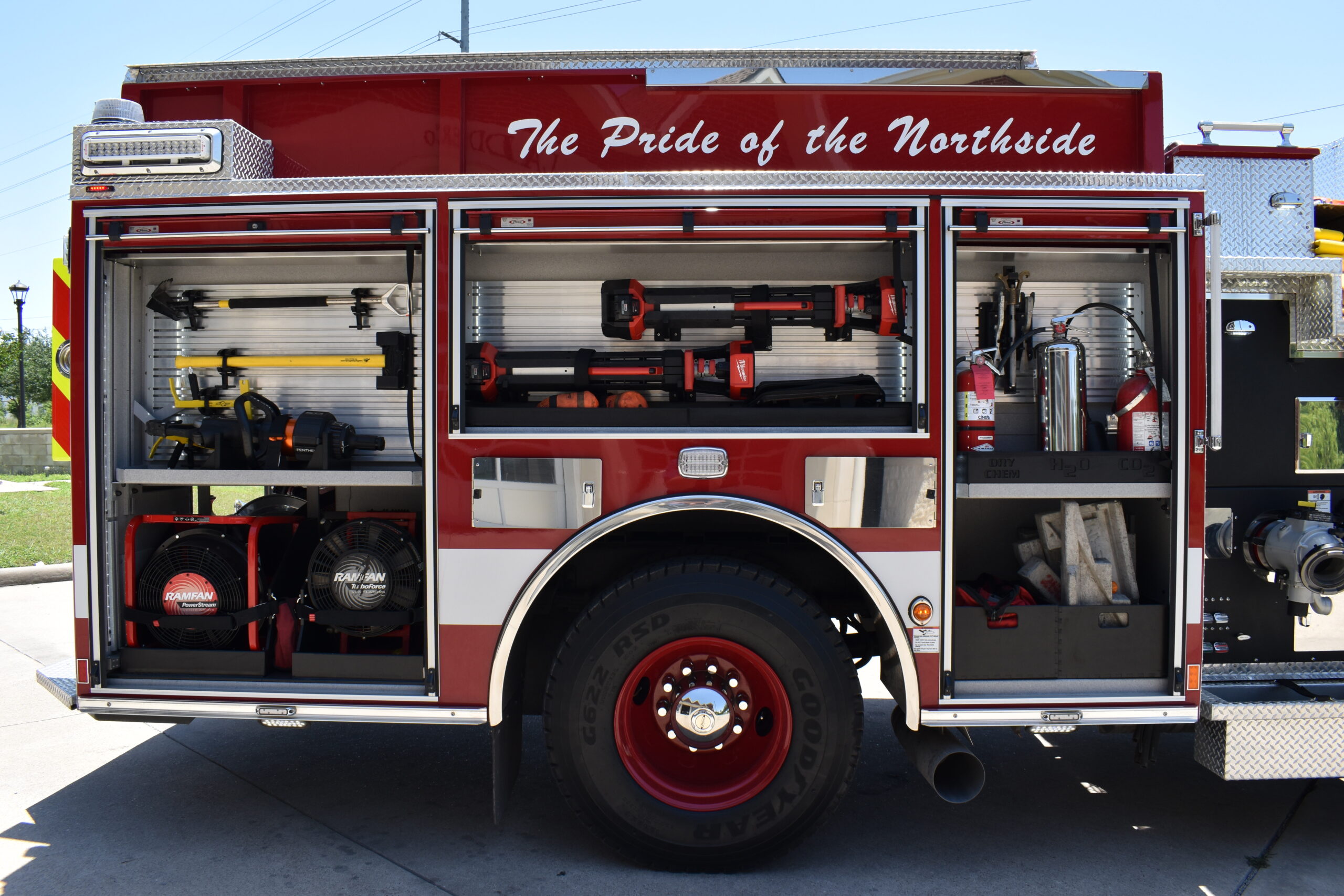
Define your District
Every department should begin with a simple question when deciding on equipment and compartment layout. What type of calls do we typically respond to?
Urban Departments
If you have a high amount of emergency calls, vehicle crashes, and confined space incidents, you need tools that work fast and well in confined areas. Small battery-powered equipment can save time and improve maneuverability in these situations.
Rural Departments
Longer distances for response and limited hydrant access shift the focus towards durability and water supply. Extended hose loads, dependable attack lines, and equipment that can handle rough terrain become essential.
Metro Areas
If your crew is climbing stairwells regularly, then weight and portability are huge when it comes to equipment. Vertical firefighting brings in stairwell deployments and ventilation challenges. Hose configurations and reliable portable fans can help crews operate better on every floor.
Industrial & ARFF
Dealing with large-scale operations with specialized hazards requires gear for extreme conditions, heavy-duty rescue tools, and stabilization equipment.
Wildland
With uneven terrain and extended deployments, a wildland apparatus needs portable water supply solutions and reliable battery tools that can perform for long stretches away from the apparatus. Once you have a clear understanding of your district’s response type, you can start looking at what equipment you need in the apparatus.
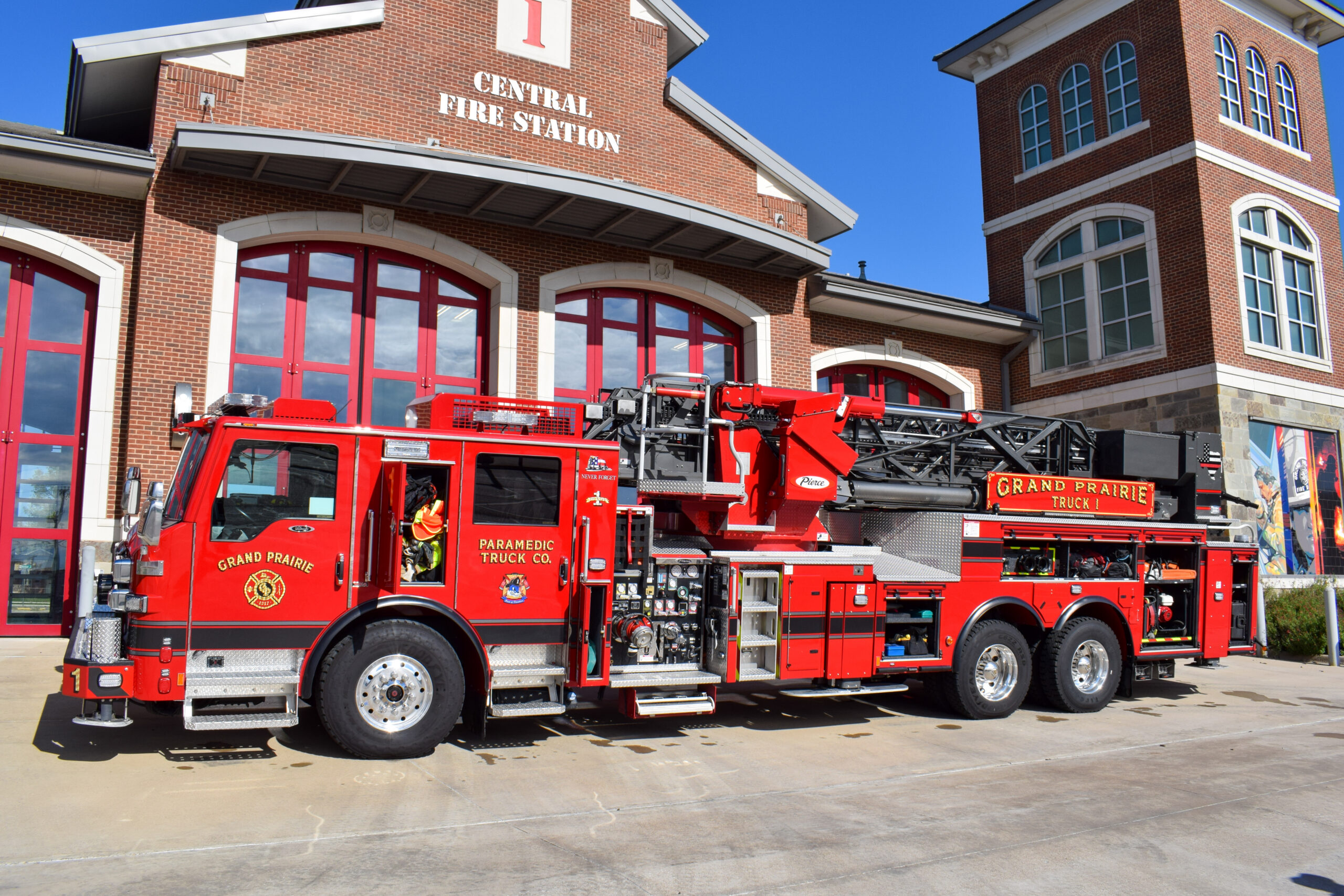
Equipment Categories to Consider
Every department is different, but there are a few equipment categories that deserve consideration in every build.
Rescue Tools
Hydraulic and battery-powered rescue tools have changed the game within the last ten years. Departments often look to trusted manufacturers like Holmatro for cutters, spreaders, and rams because of their reliability and storage footprint. However, beyond the brand names the real priority is selecting tools that match the rescue scenarios your crews encounter.
Hose & Water Delivery
Hose selection plays an important role in how effectively water is delivered on the fireground. The size of the attack line, hose durability, and storage configuration all influence flow rate, deployment speed, and overall performance during an incident. Many departments rely on manufacturers such as Key Hose and Snap-Tite Hose because of their durability and flow efficiency. However, the right choice ultimately depends on the operational needs of the department. Urban departments often prioritize speed and maneuverability to quickly deploy attack lines in tighter environments. Rural departments, however, frequently need to move water over longer distances and may rely on extended supply lines or water shuttle operations. Because of this, rural departments must carefully consider how much supply hose is carried on each apparatus and the total weight of that hose load. The most effective setup is one that supports how crews move water to the scene and advance attack lines to the seat of the fire.

Power Tools
Cordless power tools are now essential on today’s fireground. They make tasks like forcible entry and overhaul easier. Battery platforms simplify operations and remove the hassle of managing fuel. Brands like Makita are commonly used throughout the fire service, but consistency across your fleet is often more important than the name on the tool. One battery system. One charging solution. Fewer complications.
Ventilation
Crew safety, survivability, and visibility are all directly impacted by smoke control. Portable positive pressure fans, like those produced by companies like Ram Fan, provide steady airflow for a range of structures. Selecting the right fan means considering the types of buildings in your district and ensuring the output matches your operational needs.
Lighting
Departments can never regret having too much lighting at a scene. Integrated scene lighting and portable light options should be positioned so crews aren’t wasting time setting up basic lighting visibility.
Layout Is Where It All Comes Together
Even the best equipment won’t help if it’s difficult to access. It’s very important to get buy-in from your firefighters when ordering loose equipment, along with fire apparatus,” says Glen Kneeland, Equipment Regional Manager at Siddons-Martin Emergency Group. “This is especially important when making decisions not only about the type of equipment being purchased, but also where it will be placed on the apparatus.” Compartment layout can either support or hinder workflow on the fireground. High-frequency tools should be placed where crews can reach them quickly, while lower-use equipment can be stored in upper compartments or areas that are less immediately accessible.
Slide-out trays should operate smoothly and be designed to handle the weight of the equipment they carry. When ordering trays, it’s important to consider the weight requirements and ensure the compartments are properly measured before purchasing loose equipment. The fit of items like positive pressure fans and hydraulic rescue tools is especially important when determining compartment sizes. Secure mounting brackets also help prevent shifting and protect equipment during travel. This is where proper upfitting makes a difference. When compartments are designed with workflow in mind, crews can operate with greater confidence and fewer delays. The Siddons-Martin Emergency Group Upfitting team works alongside departments to design compartment layouts and develop custom mounting solutions. using CAD-based planning and in-house fabrication, they create trays, mounts, and storage solutions tailored to how crews deploy their equipment.
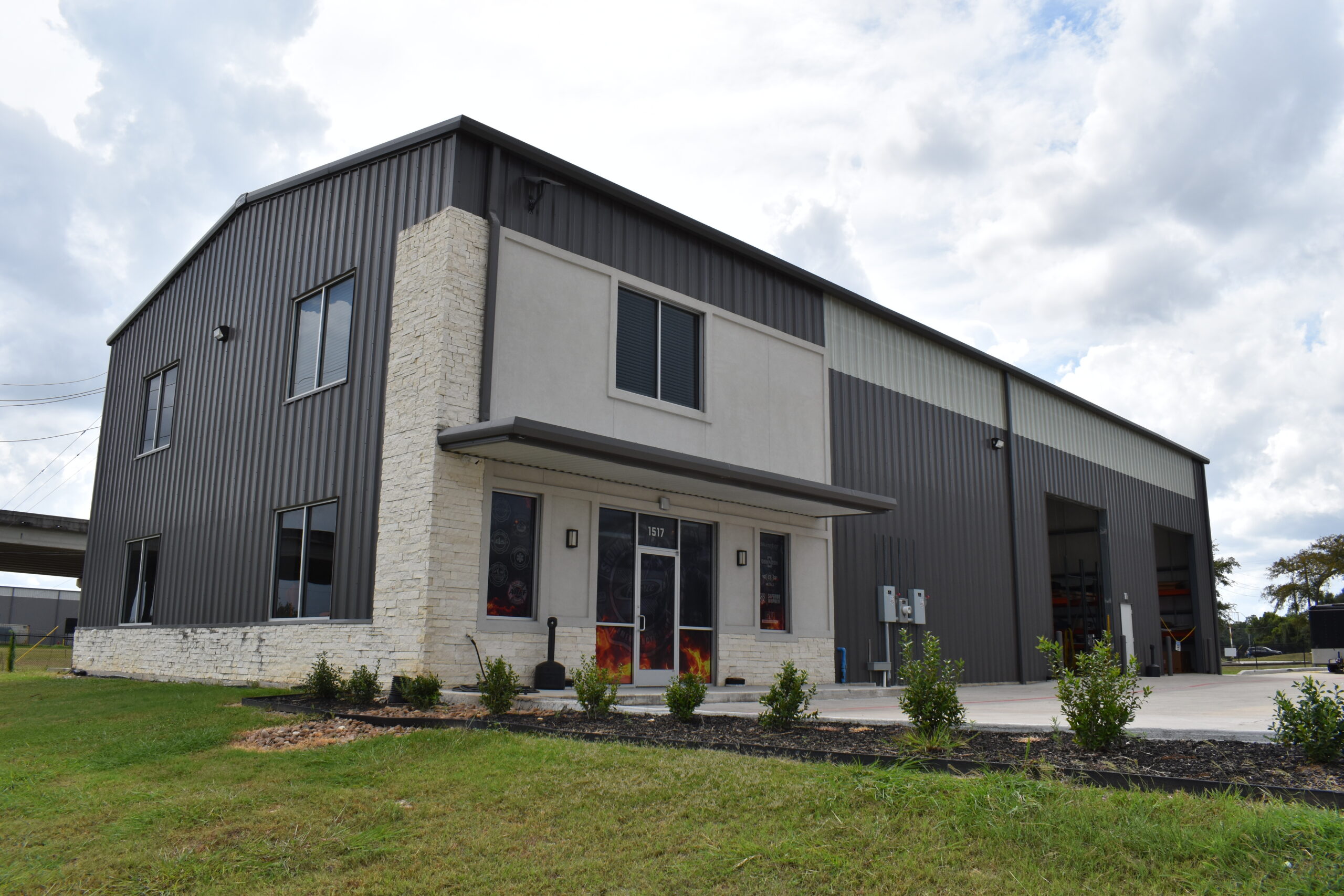
Outfitting an apparatus is a long-term investment in your crew and community. Taking time to plan intentionally now can make every response smoother down the road. If your department is ready to design a truck that truly works for your crew, or evaluate upgrades for your current fleet, connect with the Siddons-Martin Emergency Group team and start building with purpose.
Our dedicated team stand ready to assist you.
Give us a call at 713-725-9139.
 Return To Top